
I switched from hiking boots to trail running shoes for about 90% of my miles on Mt. Tamalpais, and I am not going back for most of it. Lighter feet, faster pace, better feel on rooty descents, and zero break-in. There is exactly one situation where I still lace up boots, and I will get to it.
But the short version is this: for most day hikes, a good trail runner beats a boot, and the reason most people get this decision wrong has nothing to do with the shoe.
It has to do with fit. The question “can I hike in trail running shoes?” is almost always really asking “which trail running shoe fits my foot well enough to hike in comfortably?” A wide-footed hiker in a narrow trail runner will have a miserable day no matter how good the lugs are. So we will cover the terrain side honestly, but we are going to start with your foot. You can also tell us your foot shape and where you hike and we will narrow it down.
In This Guide
- Can you use trail running shoes for hiking?
- Trail runners vs. hiking boots: the honest comparison
- When trail runners beat boots (and when boots win)
- What to look for in a trail runner for hiking
- Foot-first shoe selection
- Five trail runners that hike well
- The skier-to-hiker crossover
- FAQ
Can You Use Trail Running Shoes for Hiking?
Trail running shoes work well for most day hikes. They are lighter than most boots by a significant margin, require far less break-in period, and provide better ground feel on technical terrain. For day hikes under roughly 15 miles with a pack under 25 pounds on established trail, trail runners outperform hiking boots for most hikers. Boots remain the better choice for multi-day trips with heavy loads and off-trail scrambling on loose terrain.
That covers the headline. The nuance is where the real decision lives, so let me give you the honest trade-offs rather than a generic “yes, but check traction.”
Trail Runners vs. Hiking Boots: The Honest Comparison
| Factor | Trail runners | Hiking boots |
|---|---|---|
| Weight | Roughly 9 to 12 oz per shoe | Often double that or more |
| Break-in | Little to none, wear them out of the box | Typically 20 to 50 miles |
| Ankle support | Lower, relies on your own stability | Higher, helps on loose scree |
| Ground feel | Excellent, you feel the terrain | Muted, more isolated from it |
| Day-hike fatigue | Lower, less weight to lift each step | Higher over many miles |
| Heavy-pack support | Limited above about 25 lbs | Better under heavy multi-day loads |
The weight difference is the one people underestimate. You lift your feet thousands of times on a hike, and every ounce gets multiplied across all those steps. Cutting roughly half the weight off each foot is felt in the legs at the end of a long day. The trade-off you are accepting is ankle support and heavy-load capacity, which is exactly why the pack weight and terrain questions matter so much.
When Do Trail Runners Beat Boots, and When Do Boots Win?
Reach for trail runners when you have:
- Day hikes under about 15 miles
- Pack weight under about 25 lbs
- Established trail rather than off-trail scrambling
- Warm, dry conditions
- Technical singletrack where feel and agility matter
Reach for boots when you have:
- Multi-day backpacking with a 35 lb or heavier pack
- Loose scree or talus where ankle stability is genuinely protective
- Cold or persistently wet conditions without waterproof trail runners
That heavy-pack, loose-talus combination is my one remaining boot situation. For everything else on Mt. Tam, including the rooty Dipsea switchbacks where agility actually keeps me upright, the trail runner wins.
What Should You Look for in a Trail Runner for Hiking?
Hiking puts slightly different demands on a shoe than running does, so a few specs matter more than they would for pure running:
- A durable upper. Hiking drags the foot across rocks more than running does, so a tougher upper lasts longer against lateral abrasion.
- A rock plate. At a slow hiking pace you spend more time loading the foot on sharp rocks, so underfoot protection is more valuable than it is when you are moving fast.
- Enough stack for long days. Foot fatigue builds at hiking pace, so a bit more cushion pays off over many hours on your feet.
- Appropriate lugs. Around 4 to 5mm handles most maintained trail; deeper 5 to 6mm lugs help in soft, wet, or backcountry conditions.
Why Start With Your Foot, Not the Shoe?
Here is the part most gear guides skip entirely. The best-reviewed shoe in the world is the wrong shoe if it does not fit your foot. Three fit points matter even more for hiking than for running:
- Forefoot width. The same forefoot measurement that matters for running matters here. A narrow shoe on a wide foot becomes painful over a long day, and descents are where it bites.
- Volume. Hikers often need more room than runners, because thicker socks and orthotics take up space. If you hike in heavier socks, account for it.
- Sizing for swell. You are on your feet longer at hiking pace, so your feet swell more. Sizing up slightly, a bit more than you would for running, protects your toes on long descents.
This is the whole reason a fit-first approach beats a spec-first one. Once you know your forefoot width, your volume needs, and how you size for swelling, the shortlist almost writes itself.
Which Five Trail Runners Hike Well?
These five cover the range from cushioned long-day comfort to technical backcountry grip, with options for wide feet and waterproofing. Prices and availability were verified at Backcountry at the time of writing.
Altra Olympus 6: max cushion, wide platform, long days

Altra Olympus 6
0mm drop · 33/33mm stack · wide toe box · 4.7 stars (320 reviews)
Maximum cushion on a roomy, foot-shaped platform makes this a long-day hiking favorite, especially if your toes like room to spread. The zero drop takes adjustment, so transition gradually if you are coming from a higher-drop shoe.
Check price at Backcountry · $174.95Brooks Cascadia 19: the proven trail-and-hike all-rounder

Brooks Cascadia 19
6mm drop · 35/29mm stack · high stability · 4.7 stars (950 reviews)
The Cascadia is a longtime crossover favorite for a reason: a stable platform, underfoot protection, and a structure that holds up to hiking abuse. A safe first pick if you want one shoe that runs and hikes equally well.
Check price at Backcountry · $149.95Salomon XA Pro 3D V9 GTX: durable and waterproof for wet ground
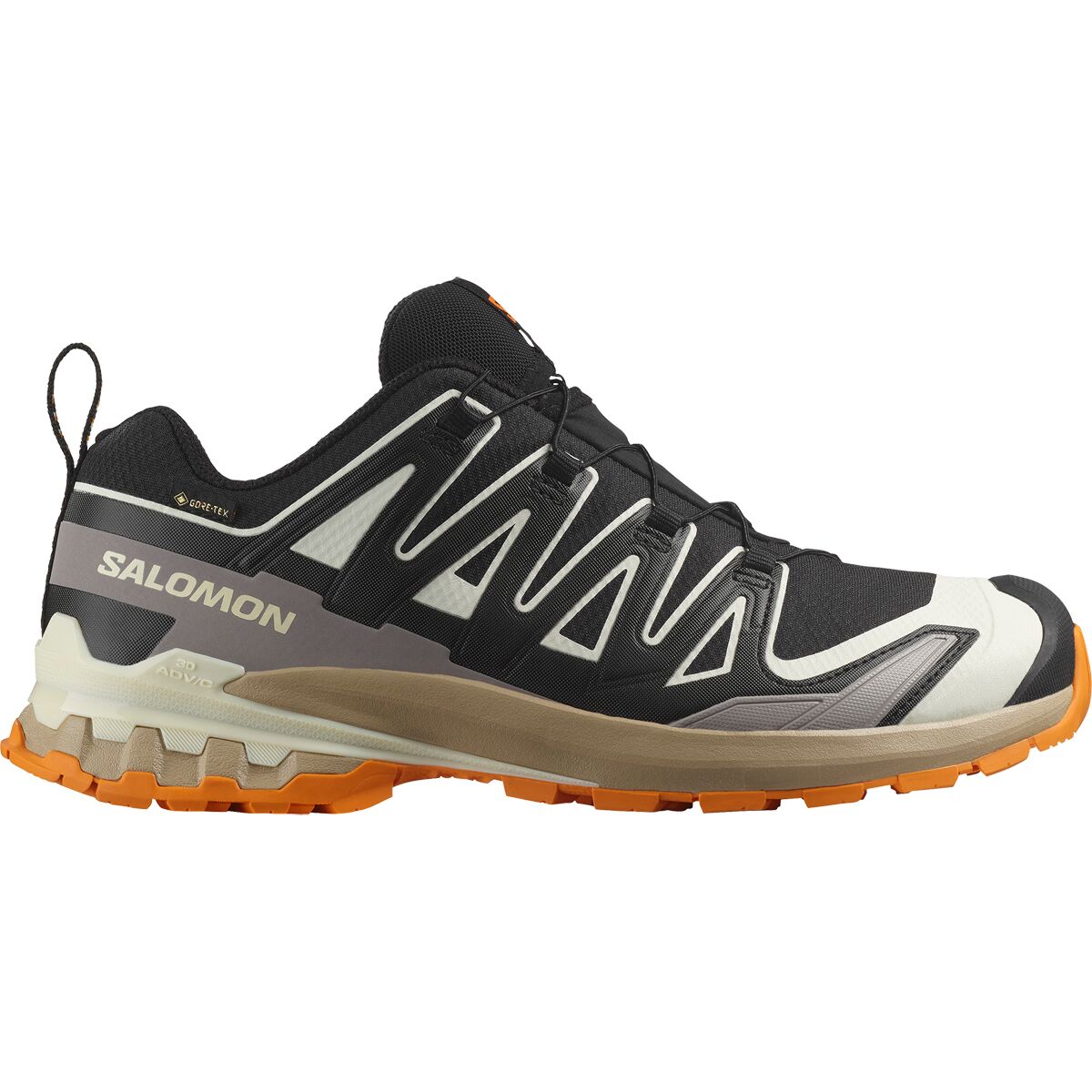
Salomon XA Pro 3D V9 GTX
11mm drop · 28/17mm stack · firm midsole · waterproof · 4.6 stars (890 reviews)
Built like a tank with a durable upper, a firm stable chassis, and a Gore-Tex membrane for wet conditions. Runs narrow, so it suits a lower-volume foot. The higher drop is also friendly if you manage heel issues.
Check price at Backcountry · $169.95Topo Athletic Ultraventure 4: roomy toe box, cushioned, durable
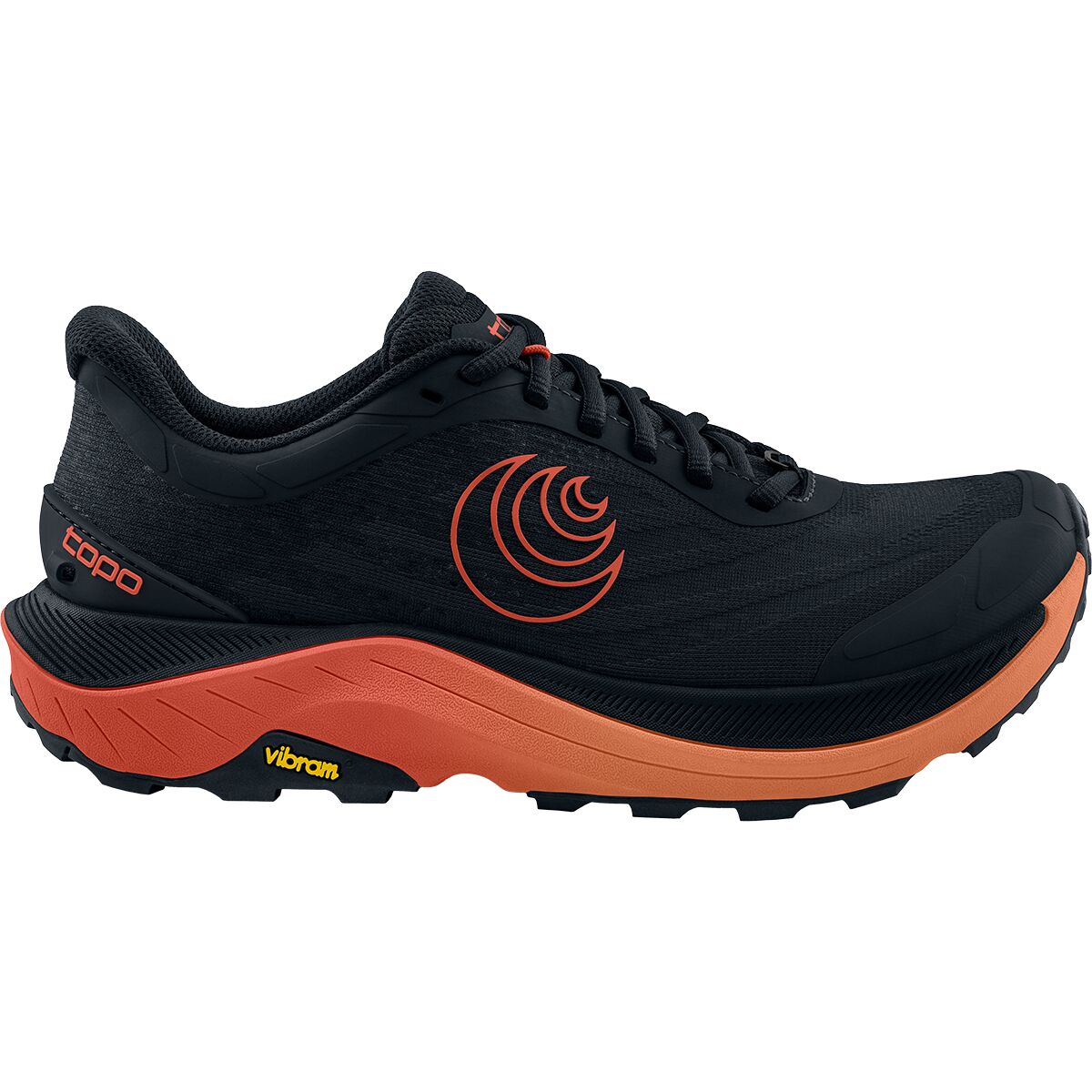
Topo Athletic Ultraventure 4
5mm drop · 35/30mm stack · wide toe box · 4.6 stars (420 reviews)
Topo splits the difference between Altra’s full zero-drop and a traditional shoe: a roomy anatomical toe box with a modest 5mm drop. Generous cushion and a durable build make it a strong long-day hiker. A wide version is available too.
Check price at Backcountry · $155La Sportiva Bushido III Wide: grip and protection for technical terrain
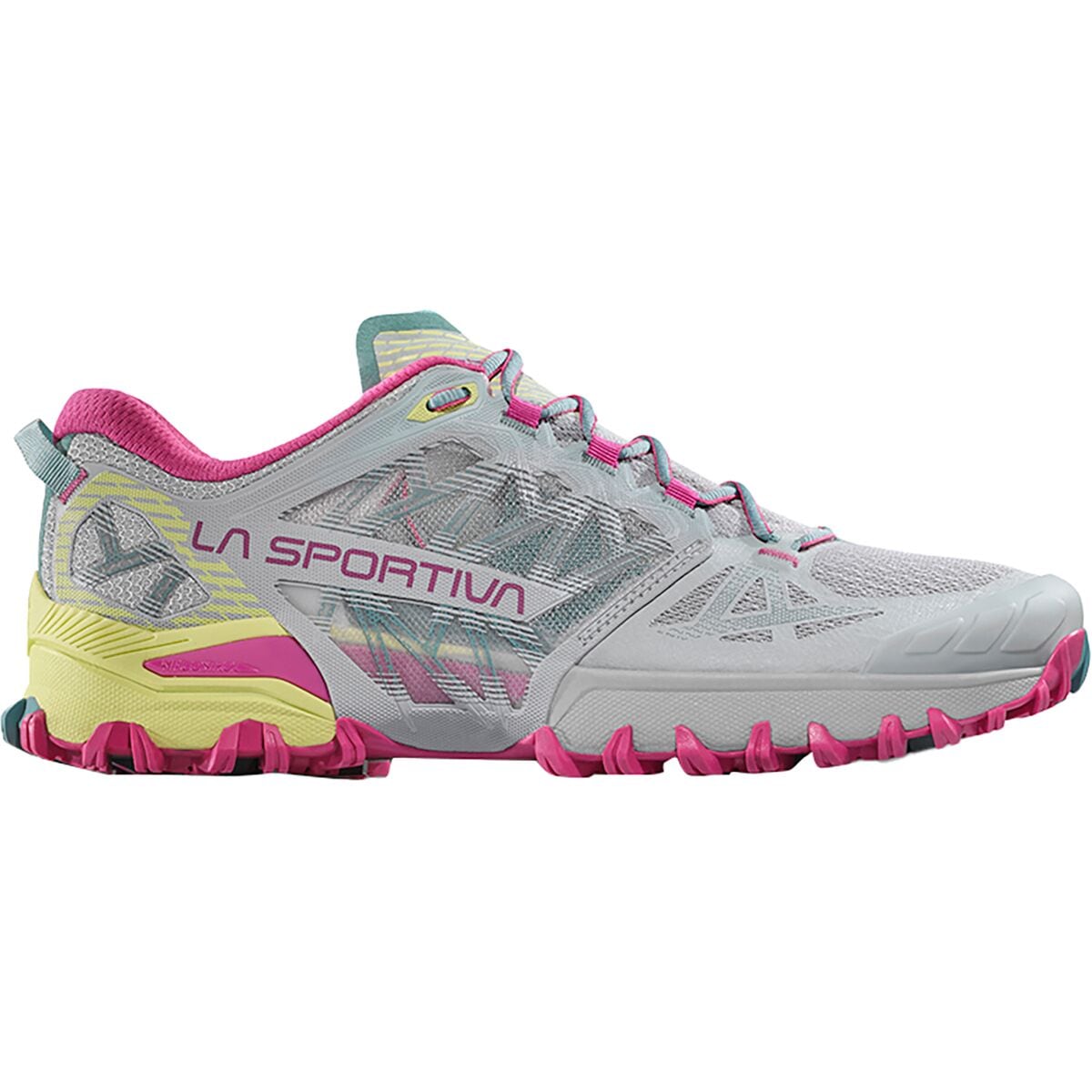
La Sportiva Bushido III Wide
6mm drop · 19/13mm stack · wide toe box · firm midsole · 4.8 stars (190 reviews)
When the terrain gets steep, rocky, and exposed, the Bushido’s aggressive grip and low, stable platform shine. The lower stack means more ground feel and control, with a wide option for roomier feet. Best for technical backcountry rather than long flat miles.
Check price at Backcountry · $160One California-specific note on waterproofing: a Gore-Tex trail runner like the XA Pro 3D GTX adds weight and reduces breathability. It is worth it in consistently wet places (the Pacific Northwest, the UK) but often overkill in dry California summers, where a non-waterproof shoe drains and dries faster after a creek crossing. Match the membrane to your actual conditions, not to a worst-case fantasy.
What If You Ski in Winter and Hike in Summer?
This is the Wayfinder sweet spot, and it is not a coincidence. The foot is the foot. If you have a wide forefoot that needs room in a ski boot, you have a wide forefoot that needs room in a trail runner.
The same measurements that drive a good ski boot fit, length, width, and volume, drive a good trail shoe fit too. People who ski in winter and hike or run in summer are exactly who we built this for.
That is the real advantage of a fit-first approach over a gear-review approach: your foot profile carries across sports. Get it right once, and it informs everything you put on your feet.
Your Digital Bootfitter
The right shoe starts with the right fit.
Wayfinder applies bootfitting methodology to trail shoes: tell us your foot shape, terrain, and distance, and we match you to trail runners that fit your feet and handle your hikes. One profile, summer trails and winter slopes.
Build Your Fit ProfileFrequently Asked Questions
Yes, for most day hikes. Trail running shoes are lighter than boots, need no break-in, and offer better ground feel. For hikes under about 15 miles with a pack under 25 pounds on established trail, they outperform boots for most hikers. Boots are better for heavy multi-day loads and loose off-trail terrain.
For most day hikes, yes. They save significant weight per step, eliminate break-in, and improve agility on technical ground. Boots win for heavy packs over 35 pounds, loose scree where ankle support is protective, and cold or persistently wet conditions without waterproof trail runners.
A durable upper to survive rock abrasion, a rock plate for underfoot protection at slow pace, enough stack height for long days, and lugs suited to your terrain (4 to 5mm for maintained trail, deeper for soft or wet ground). Above all, a shoe that fits your foot shape.
Usually a little. You spend more time on your feet at hiking pace, so your feet swell more, and thicker hiking socks take up room. Sizing up slightly, a bit more than you would for running, helps protect your toes on long descents.
Only in consistently wet conditions. Waterproof membranes add weight and reduce breathability, and once water gets in over the collar it stays in. In dry climates a non-waterproof shoe drains and dries faster. Match the shoe to your real conditions.
For most established-trail day hikes, your own ankle stability is enough, and the lower cut allows natural movement. On loose scree, talus, or with a heavy multi-day pack, the ankle support of a boot becomes genuinely protective. Match the footwear to the terrain and load.