Skip to content

Ski Boot Fit Diagnostic

Identify what's causing your boot discomfort and learn how to fix it.

Free · Takes 1-2 minutes · Expert-backed guidance

Last updated February 2026

Where does it hurt?

Tap the area giving you trouble
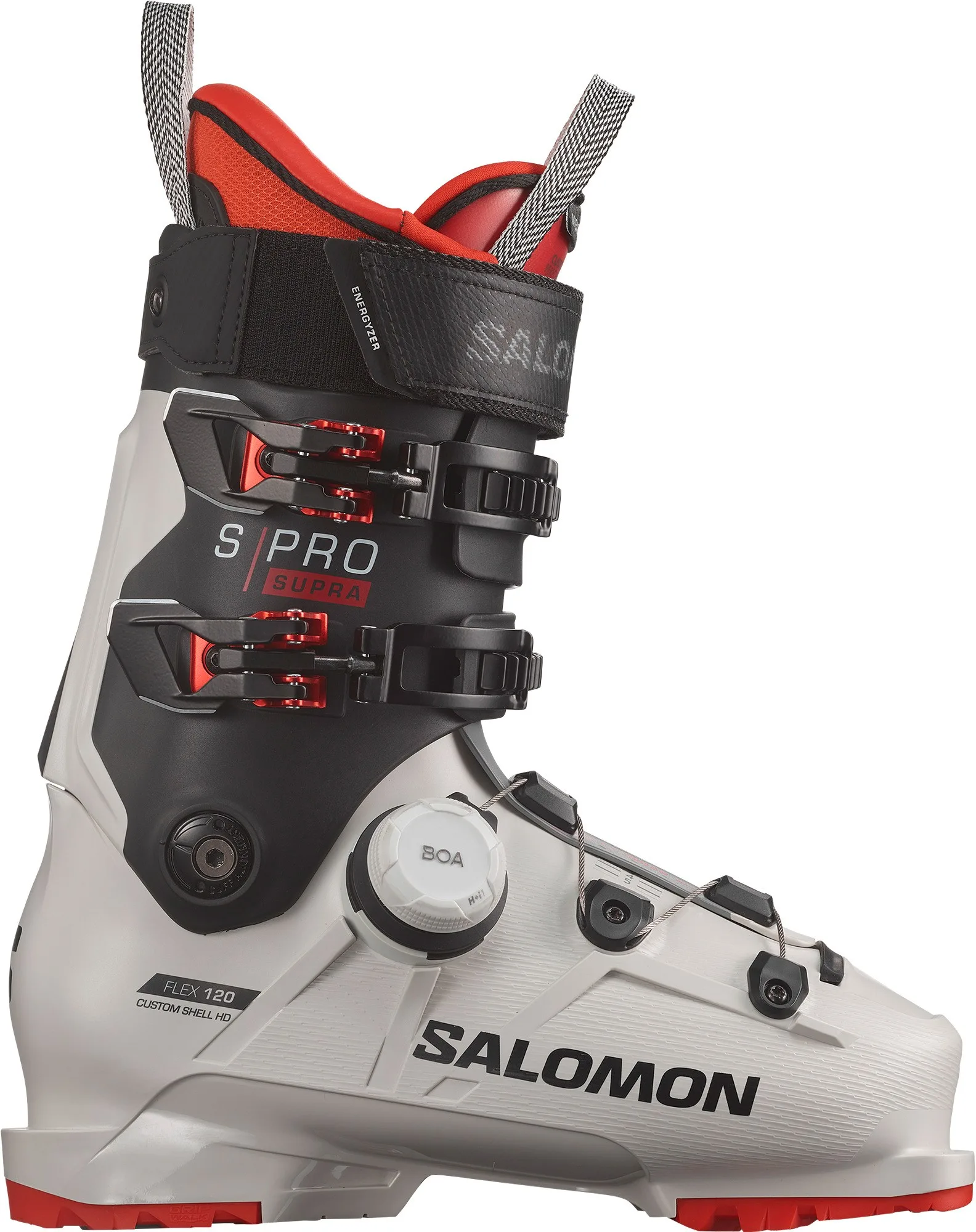
Ski boot diagram

Understanding Boot Fit Issues

Ski boot discomfort typically falls into two categories: fit issues that can be solved with modifications to your current boots, and boot selection issues where the boot itself isn't the right match for your foot anatomy or skiing style.

🔧 Fit Issues

Solvable through bootfitter modifications, heat molding, custom footbeds, or liner adjustments. Often doesn't require buying new boots.

🎿 Boot Selection Issues

The boot's fundamental shape, volume, or flex doesn't match your needs. A different boot model may be required.

Explore more boot fitting tips on our blog
⚠️

Important Disclaimer

This diagnostic tool provides general guidance based on common ski boot fit patterns observed by professional bootfitters. It is not medical advice. If you're experiencing persistent pain, numbness, circulation issues, or any symptoms that concern you, please consult a qualified healthcare professional. For boot-specific issues, we recommend an in-person assessment with a certified bootfitter who can evaluate your individual anatomy and equipment.

Frequently Asked Questions

Why do my shins hurt in ski boots?
Shin pain (shin bang) is usually caused by boots that are too stiff for your ability level, too upright for your stance, or have liners that have packed out. It can also be caused by skiing in the back seat. The fix depends on the root cause. Sometimes a simple forward lean adjustment helps, other times you may need a different flex rating.
Why do my feet go numb when skiing?
Numb feet are typically caused by restricted blood flow from boots that are too tight, buckled too aggressively, or the wrong volume for your foot. Over-tightening buckles is the most common cause. Try loosening your buckles one notch and see if circulation improves.
How do I know if my ski boots are too big or too small?
In properly fitted boots, your toes should lightly touch the end when standing, then pull back slightly when you flex forward. If your heel lifts when you flex, boots may be too big. If you have constant pressure or pain, they may be too small or the wrong shape for your foot.
How accurate is this diagnostic tool?
This tool is based on common fit patterns identified by professional bootfitters. While it provides a good starting point, a hands-on assessment from a qualified bootfitter is always recommended for complex issues.
Can I fix most boot problems without buying new boots?
Many fit issues can be resolved through modifications like shell punching, liner heat molding, custom footbeds, or padding adjustments. However, if the boot's fundamental shape or flex doesn't match your anatomy, a different boot may be the better solution.
What if I have multiple issues?
Run through the diagnostic for each issue separately. Multiple problems sometimes share a common root cause (like an incorrect boot volume), and a Wayfinder scan can help identify whether your current boots are fundamentally right for your feet.
How does Wayfinder help with boot fitting?
Wayfinder uses a 3D foot scan to measure your exact foot dimensions: length, width, and instep height. We match these measurements against our database of ski boots to recommend models that fit your specific anatomy, helping you avoid common fit issues before they happen.
Mountain silhouette